


Last updated on October 12th, 2026 at 07:09 pm
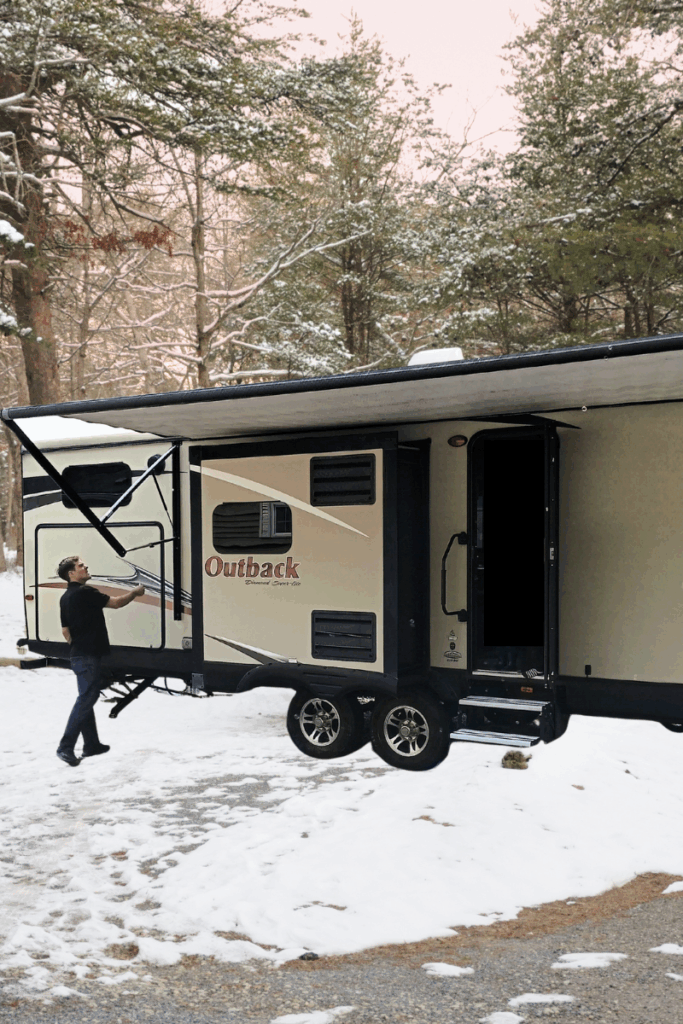
Stationary RV setup for winter can make all the difference when cold weather rolls in. Winter RV life can be magical — if you’re prepared for it!
Preparing your stationary RV setup for winter takes more than turning up the heat. Freezing temperatures can put your water lines, tanks, and everyday comfort to the test, especially when you’re living in your RV full-time.
After experiencing winter temperatures as low as 5°F in our own setup, I’ve learned how important it is to prepare ahead of time. These 12 practical tips will help you keep your RV warm, protect your plumbing, and make cold-weather RV living more manageable.
In this post, I’ll share all the tips for staying warm in your RV this winter and RV must-haves for beginners, So grab a warm drink, get comfortable, and let’s get into it!
Don’t miss my full-time RV living hacks and my tasty camping food ideas to help you stay cozy, well-fed, and fully prepared.
Stationary RV Setup for Winter
Creating the perfect stationary RV setup for winter starts with knowing how to winterize an RV for winter living the right way. From sealing drafts and adding insulation to using a reliable space heater and heated hose, each step helps you stay warm and prevent frozen pipes during those chilly months.
Investing in the right RV winter living accessories — like skirting, vent pillows, and moisture control tools — can make a huge difference in comfort and efficiency.
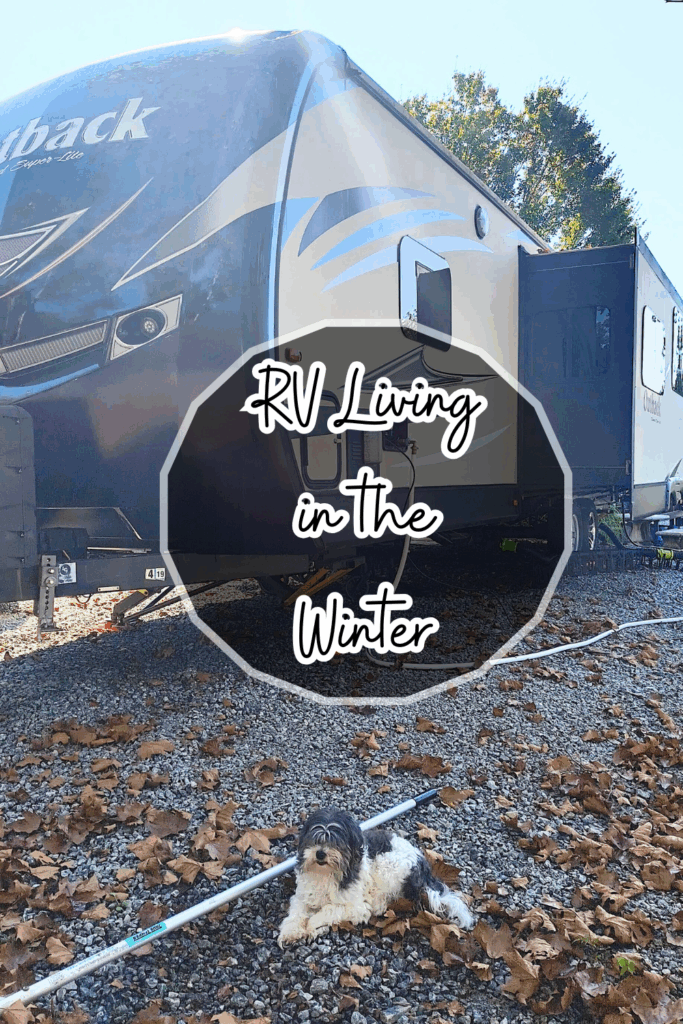
RV Living in the Winter
RV living in the winter has its own vibe— chilly mornings, foggy windows, and coffee that never tastes better than when it’s brewed in a cozy camper. If you’re navigating RV living with kids in the winter, a little preparation goes a long way toward keeping everyone warm and happy.
Be sure to check out my RV must-haves for beginners to make setting up a breeze and keep your family extra comfy through the chilly months. With a few smart tricks (and plenty of caffeine), winter RV living can actually be one of the coziest seasons yet.
Insulate Your RV Skirting
Adding RV skirting for winter is one of the best ways to prepare your stationary RV for cold weather. Insulated panels, foam board, or durable vinyl fabric seal off the bottom of your trailer, keeping the underbelly warm and preventing frozen pipes and tanks.

Use a Heated Water Hose
Swap your regular hose for a heated water hose to prevent your fresh water line from freezing overnight. Wrap connections with foam insulation or heat tape for extra protection.

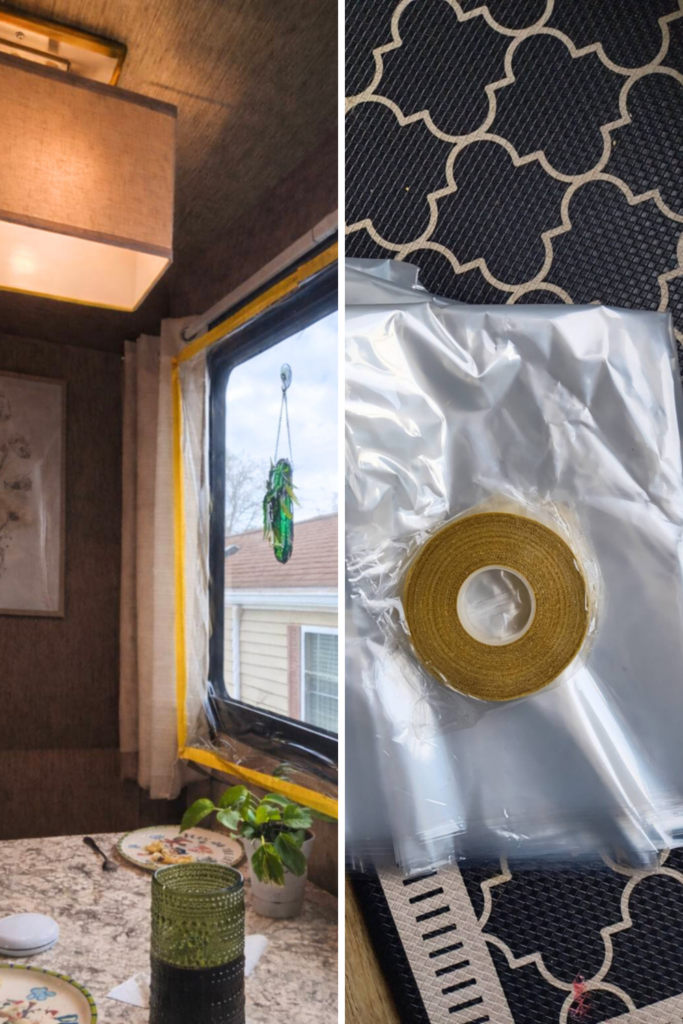
Seal Windows and Doors

Add Rugs and Foam Mats
Cold air seeps up through the floor, especially in slide-outs. Cover floors with area rugs or foam mats to keep your feet warmer and prevent heat loss.
Use Space Heaters Wisely
Supplement your furnace with ceramic or oil-filled space heaters. They’re efficient and can help you save on propane. Always use heaters with tip-over and overheat protection.
Protect Your Plumbing
Tips for Protecting Plumbing in RV This Winter
One of the biggest concerns when living full-time in an RV during winter is keeping your plumbing from freezing. Frozen water lines can interrupt your water supply and potentially cause expensive damage to pipes, fittings, and other components. These tips for protecting plumbing in RV this winter can help you prepare for freezing temperatures and keep your water flowing.
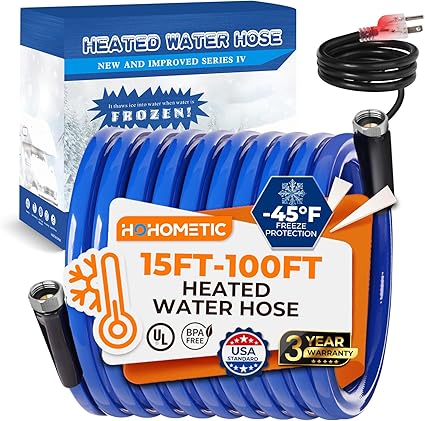
Use a Heated Water Hose for Your RV
A heated water hose for RV use helps prevent the water inside your hose from freezing when temperatures drop below freezing. If you live in your RV full-time and stay connected to campground water, this can be a useful piece of winter equipment.
Choose a drinking-water-safe heated hose rated for the temperatures you expect, and follow the manufacturer’s instructions for electrical connections and outdoor use. Remember that a heated hose protects the hose itself, not necessarily the RV’s internal plumbing or water connections.
Insulate Exposed Water Lines
Knowing how to keep water lines from freezing in a camper starts with identifying exposed pipes and vulnerable connections. Check underneath your RV and around exterior plumbing compartments for areas where cold air can reach the lines.
Use suitable pipe insulation where appropriate, and inspect existing insulation for gaps or damage. Pay special attention to water connections and plumbing near the RV’s underbelly.
Consider RV Skirting
RV skirting creates a barrier around the bottom of your RV, helping reduce wind exposure and heat loss underneath the trailer. This can be especially helpful when you’re living in a stationary RV setup throughout winter.
Depending on your RV’s design and the weather conditions, skirting may help keep the area beneath your RV warmer. However, it doesn’t guarantee that your tanks or pipes will stay above freezing. Make sure any heating equipment used underneath is specifically approved for that environment.
Keep Your RV Warm During Freezing Weather
If you’re wondering how to keep your RV from freezing while living in it, maintaining a consistent indoor temperature is a good starting point. Avoid turning off your furnace during freezing weather without first making sure your plumbing is protected.
Open cabinet doors beneath sinks when appropriate to allow warm air to circulate around interior pipes. Keep in mind that exposed plumbing and tanks underneath your RV may still freeze even when the inside feels comfortable.
Know When RV Pipes Can Freeze
RV pipes can begin freezing when the water inside them is exposed to temperatures at or below 32°F (0°C). However, there isn’t one exact temperature at which every RV’s plumbing will freeze. Wind exposure, insulation, the location of the pipes, and how long temperatures remain low all make a difference.
During prolonged freezing weather, check vulnerable plumbing regularly rather than relying only on your indoor thermostat.
Do You Need to Winterize Your RV If You Live in It?
You generally don’t need to fully winterize an RV that you’re actively living in and using its water system, provided you can adequately protect the plumbing from freezing. Instead, focus on insulating vulnerable pipes, protecting your water connection, using your RV’s heating systems as recommended, and monitoring cold-weather conditions.
If you’re leaving your RV unheated for an extended period during freezing weather, you may need to drain and winterize the plumbing according to your owner’s manual. Use RV-approved winterizing products and never use automotive antifreeze in your potable water system.
Taking these precautions can help protect your plumbing, reduce the risk of frozen water lines, and make living full-time in an RV during winter more manageable.
Hi, I’m Trisha.
Welcome! I’m a foodie who loves sharing recipes, hikes, local finds, and all things delicious.
Wife to an incredible chef and mama to 3, I’m always creating, sharing and enjoying every bite along the way!
Read more and subscribe to get my most tried and loved recipes delivered straight to your inbox!

Cozy Bedding for Cold Nights
Staying Cozy & Warm in Your RV

Add Insulation to Outside Compartments
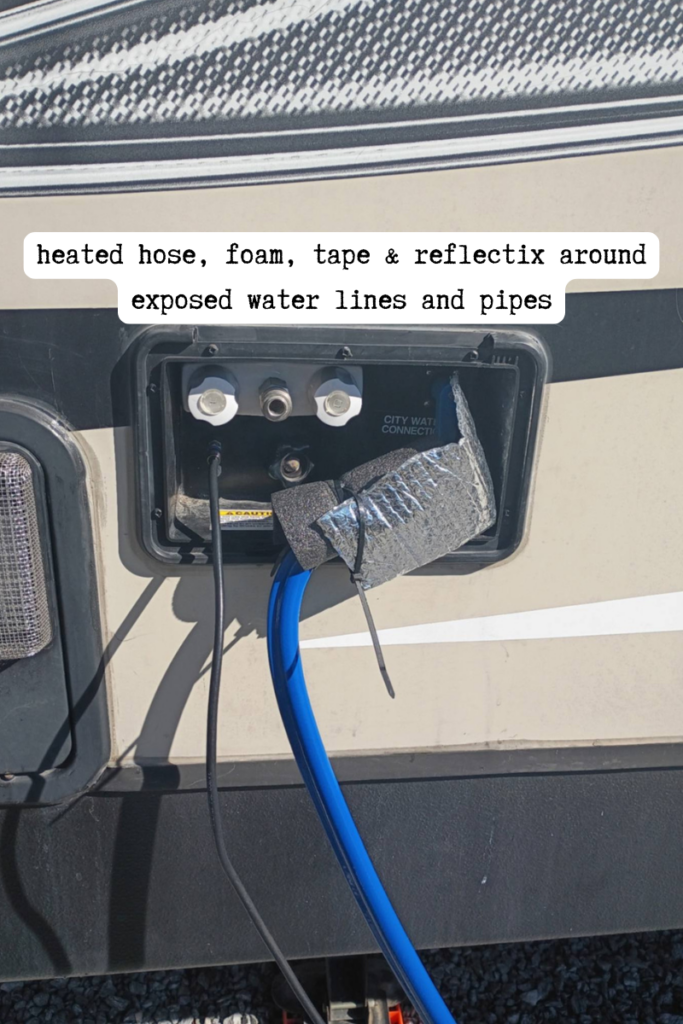
When it comes to how to keep pipes from freezing in an RV, the areas that need the most attention are the outside storage and utility compartments, because they get cold first during freezing winter temperatures. These bays often contain your water lines, pipes, valves, pumps, tanks, and filters, which makes them especially vulnerable during winter camping and freezing camping conditions.

How to Keep Pipes from Freezing in an RV
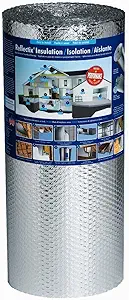
If these areas aren’t protected, your pipes can freeze fast, leading to leaks, loss of water, or serious damage. To prevent pipes from freezing in an RV, you can add insulation using foam board, Reflectix, or insulated hatch covers, and create extra freeze protection with RV skirting to block cold air.
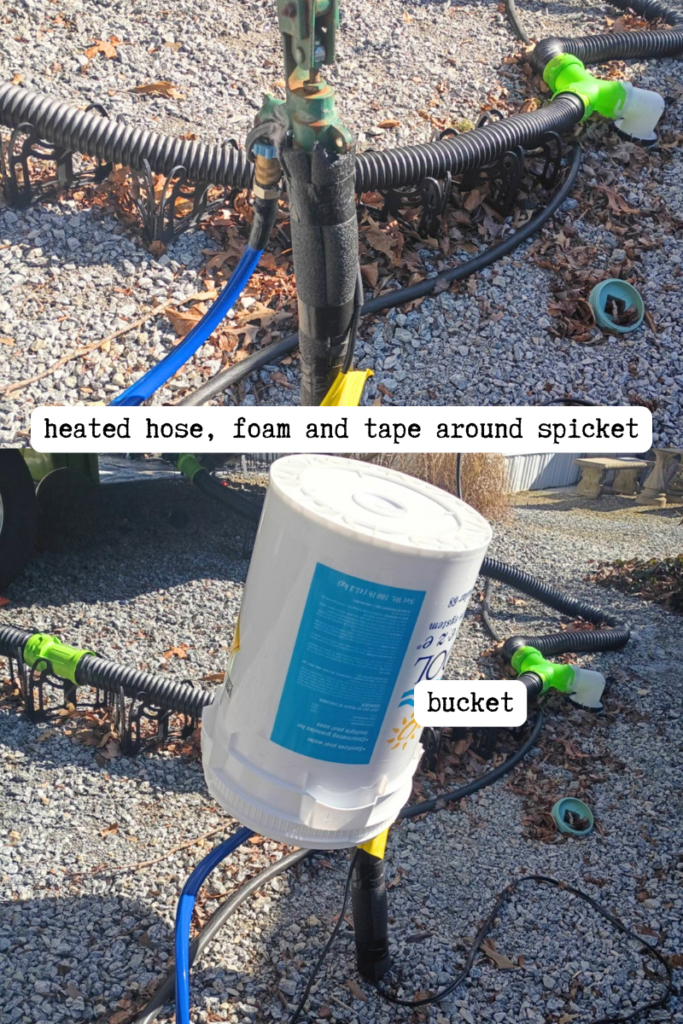
Many RVers also use heat tape safely on exposed water lines and pipes to provide steady warmth in freezing cold weather. Adding insulation and warmth to these outside compartments helps protect your water system from freezing and keeps your RV functional while camping in cold winter temperatures.
Manage Moisture
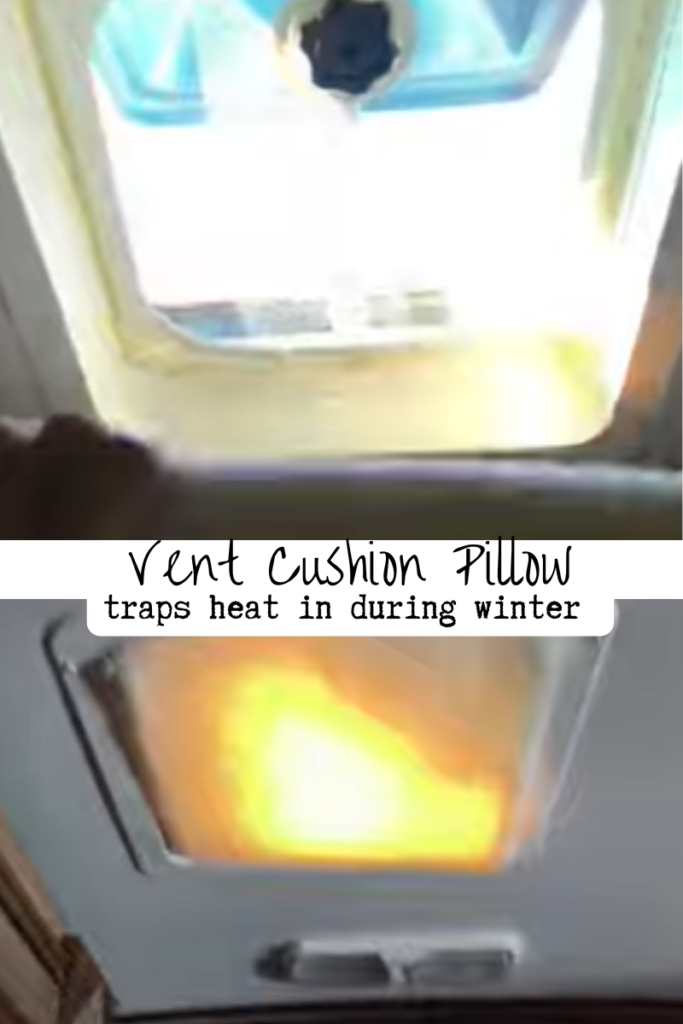
Install Vent Cushions
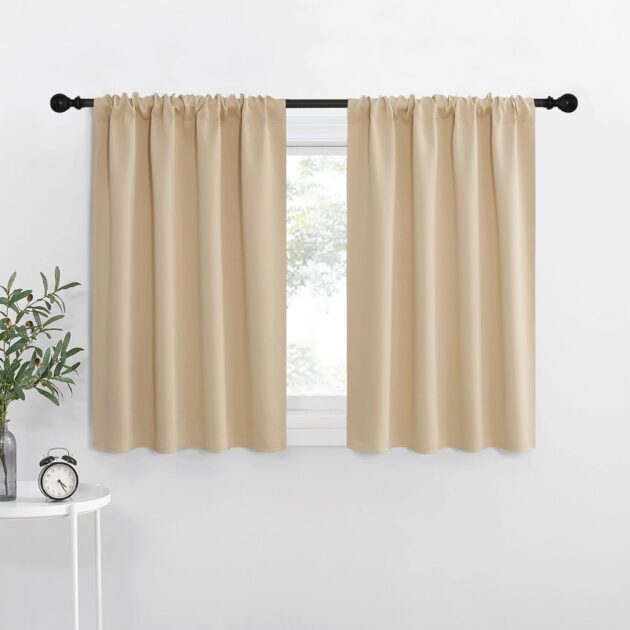
Upgrade to Thermal Curtains or Insulated Shades
Replace lightweight blinds with thermal curtains and reflectix insulation to hold heat inside your RV during frigid nights.

How to Insulate RV Windows
Keep your RV warm by blocking cold air from windows. Use foam panels, reflective bubble wrap, or thermal curtains cut to the height and width of each window. Add insulating film or window kits and seal gaps with weatherstripping around the lock, panel, and frame. Combining these methods prevents freezing pipes, reduces drafts, and keeps your RV cozy in cold weather.
Use a Heated Mattress Pad or Electric Blanket
Keep Propane and Power in Check

By following these tips for a stationary RV setup for winter, you can keep your RV warm, cozy, and fully protected from cold weather. With a little preparation and the right products, winter RV living can be stress-free, cozy, and enjoyable for the whole family.
Well-written and concise. Great job.