


Last updated on October 5th, 2026 at 12:20 am
RV tips for beginners -When we first started, we had to learn how to make our RV work for our family. Now that we’ve been living full-time in our travel trailer, we’ve learned what matters, what we use regularly, and what we probably could have done without.
If you’re also wondering what you actually need to bring with you, check out our RV must haves for beginners guide for the RV essentials we’ve found useful.
So sit back, grab a cup of coffee, and check out these RV tips for beginners to help you get started with confidence.
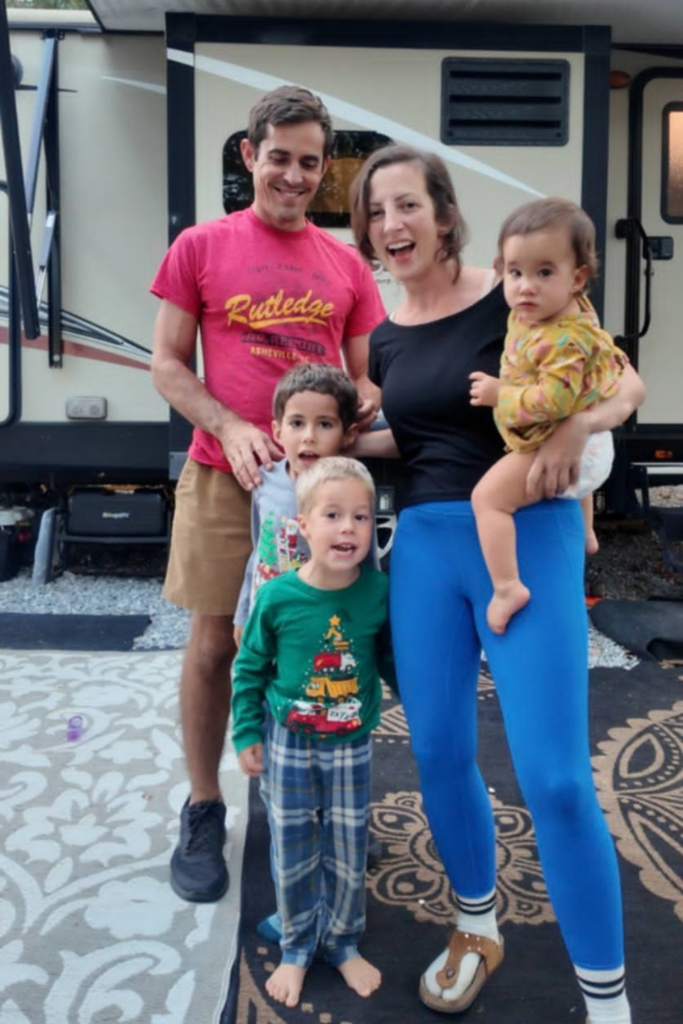
RV Tips for Beginners: What to Know Before You Start
If you’re a beginner, these RV tips for beginners will help you get more comfortable with your RV, avoid common mistakes, and prepare for everyday life in a smaller space.
You don’t need to know everything before your first trip. Start with the basics, learn as you go, and give yourself time to figure out what works for you.
Learn How Your RV Works Before Your First Trip
One of the best things you can do as a new RV owner is learn how your RV works before you actually need to use everything.
There are quite a few systems to learn when you first get an RV, and it can feel like a lot at first. Between the electrical system, water, sewer, propane, appliances, slides, and all the little switches and controls, there’s definitely a learning curve.
Start by getting familiar with the basics.
Learn where your:
- Electrical hookups and breakers are located
- Fresh water connection and water pump are
- Gray and black water tanks
- Propane tanks and shutoff
- Water heater controls
- Slide-out controls
- Fuse and electrical panels
- Emergency equipment is located
Read through your owner’s manual, you don’t need to memorize everything but knowing where things are and what they do will make your first few trips much easier.
These camper basics for beginners might not seem exciting, but they can save you a lot of frustration later.
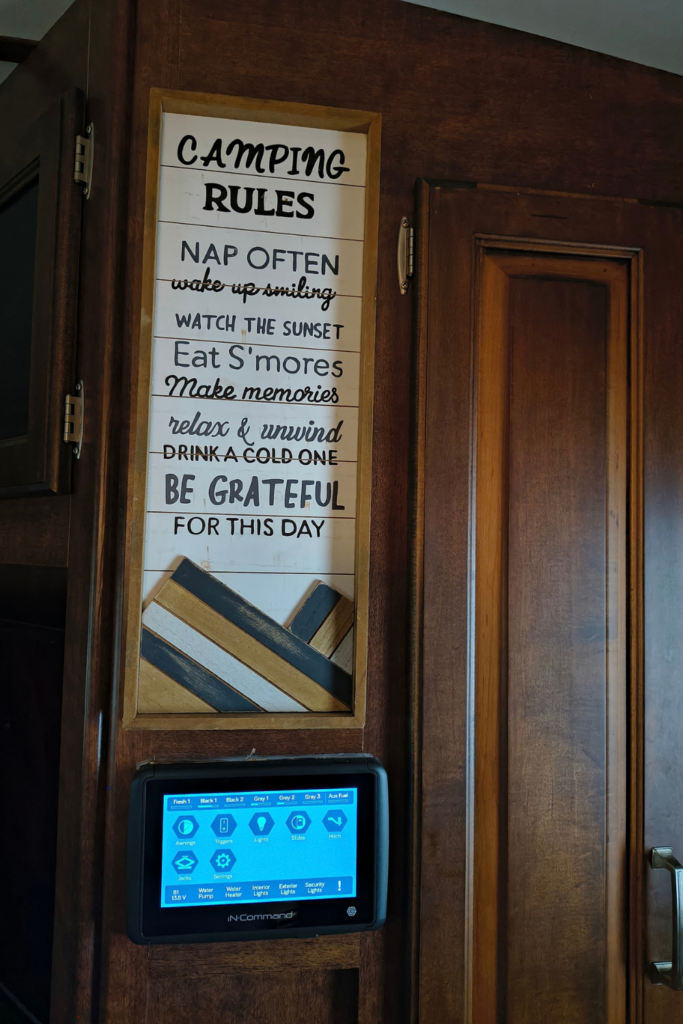
Our tip: Keep your RV owner’s manual somewhere easy to access. You never know when you’ll need to look something up.
Practice Setting Up Your RV
Your first RV setup probably won’t go as smoothly as the ones you see from experienced RVers. That’s okay.
There are a lot of steps involved in getting your RV set up, especially if you’re still learning where everything goes and how your equipment works.
Before your first big trip, practice your setup if you can. Even doing it once in your driveway can help you feel more comfortable.
Depending on your RV, your setup may include:
- Getting your RV positioned where you want it.
- Leveling your RV.
- Connecting to electricity.
- Connecting your water.
- Setting up your sewer connection.
- Opening your slide-outs.
- Setting up your outdoor space.
- Checking that everything is working properly.
If you’re towing a travel trailer, take time to learn how to safely hitch and unhitch your RV too. Don’t rush through this part just because you’re ready to get to your campsite.
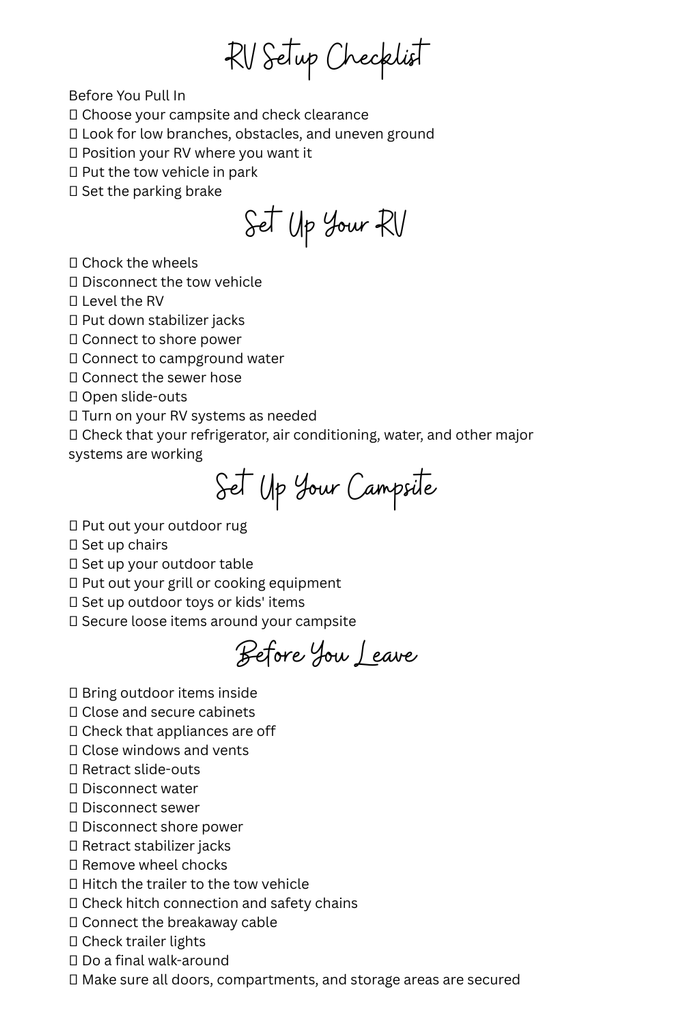
One of our biggest RV setup tips for beginners is to make a checklist. There are so many little things to remember that it’s easy to forget something when you’re trying to get everything done.
A checklist also helps when you’re packing up to leave. You can work through it every time until the process becomes second nature.
Our tip: Take your time. It’s much better to spend an extra few minutes checking everything than to realize you’ve forgotten something after you’ve already left.
Don’t Overbuy RV Essentials
It’s really easy to overbuy when you’re new to RVing.
There are so many products marketed as RV essentials that you can quickly end up with cabinets full of things you thought you needed but rarely use.
We learned pretty quickly that having less stuff can actually make RV life easier. Storage space is limited, so everything you bring into your RV needs a place to go.
Before buying something, ask yourself:
- Do I actually need this?
- Where will I store it?
- Will I use it regularly?
- Do I already own something that will work?
- Will it make RV life easier?
Start with the basics and add things as you need them. Once you’ve spent some time in your RV, you’ll have a much better idea of what would actually be useful for your family.
That’s one reason we put together our RV must haves for beginners list. These are the types of things we’ve found useful rather than a giant list of everything you could possibly buy for an RV.
Our tip: Make a list of things you think you need, but don’t feel like you have to buy everything before your first trip. You may be surprised by what you actually end up using.
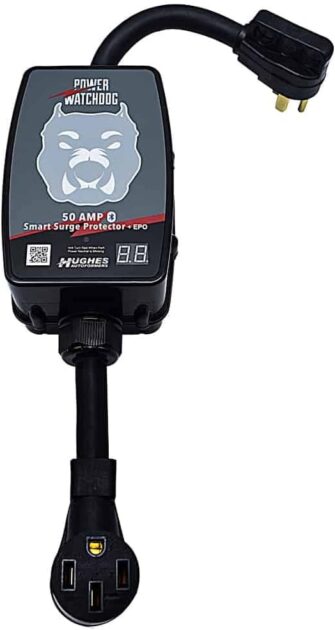
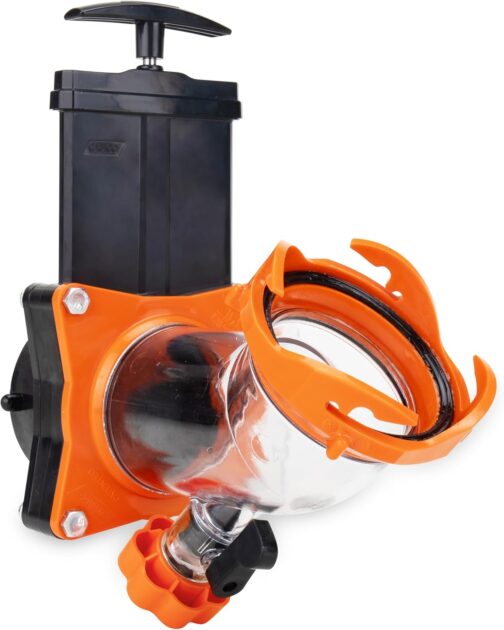
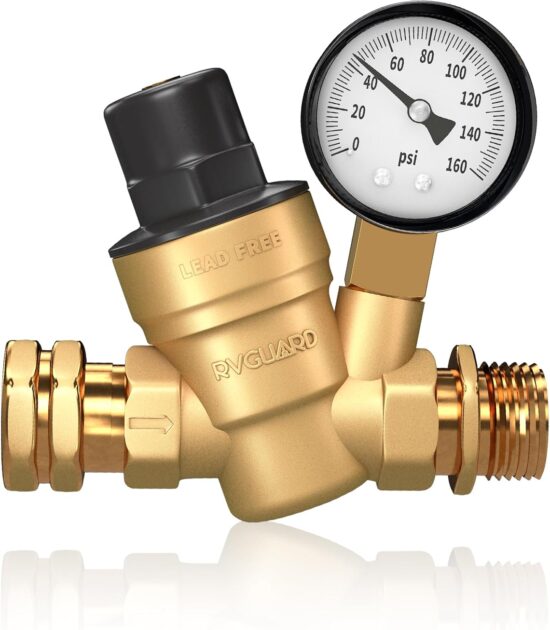
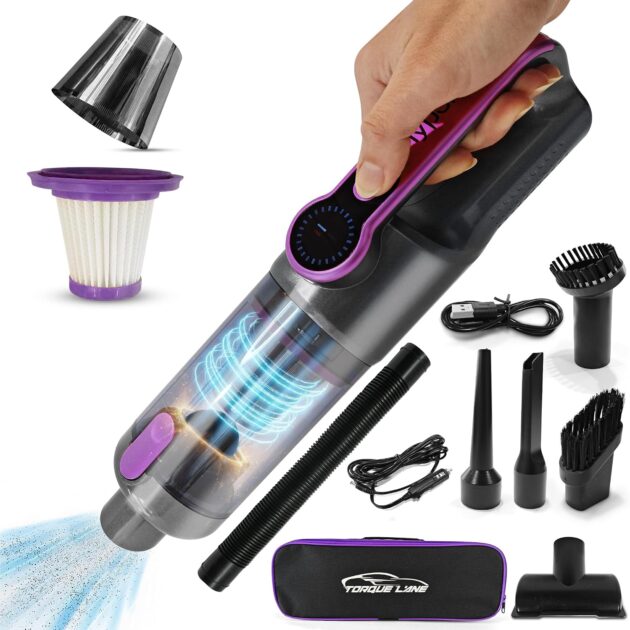
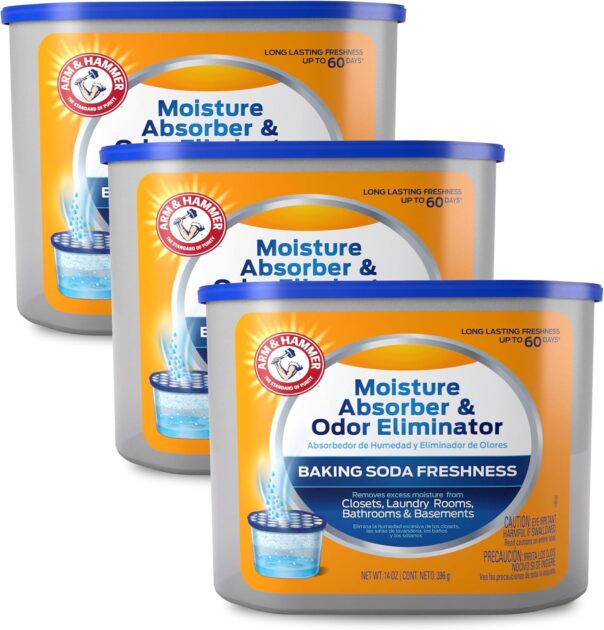
A Few RV Items We Actually Use
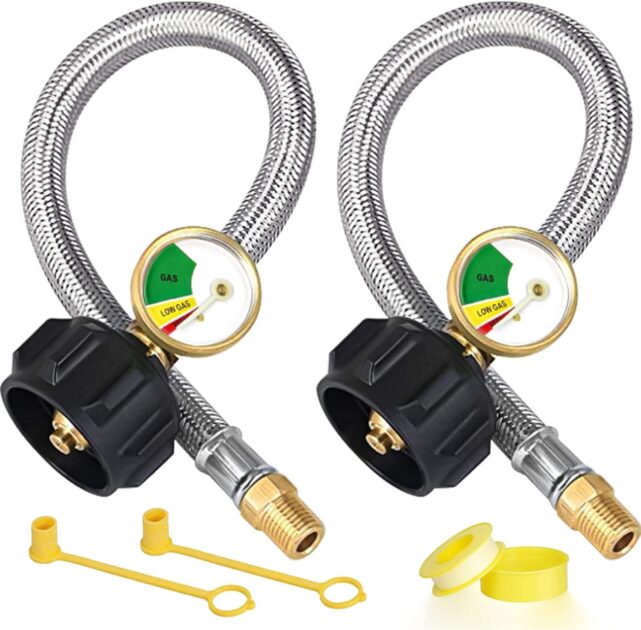
Make the Most of Your RV Storage
RV storage can take some getting used to, especially with kids, but a few simple RV storage ideas can make it much easier.
Our RV has to hold clothes, shoes, toys, kitchen supplies, cleaning products, homeschool materials, and all of the everyday things our family uses. That means we have to be intentional about where things go.
A few simple full time RV living hacks can help you make the most of your space.
- Give everything a designated place.
- Use bins to group similar items together.
- Take advantage of vertical space.
- Keep frequently used items easy to reach.
- Don’t fill every cabinet just because you have room.
- Go through your belongings regularly and get rid of things you no longer use.
- Give the kids specific places for their own things.
You’ll probably change your storage setup several times once you figure out how you actually use the space.
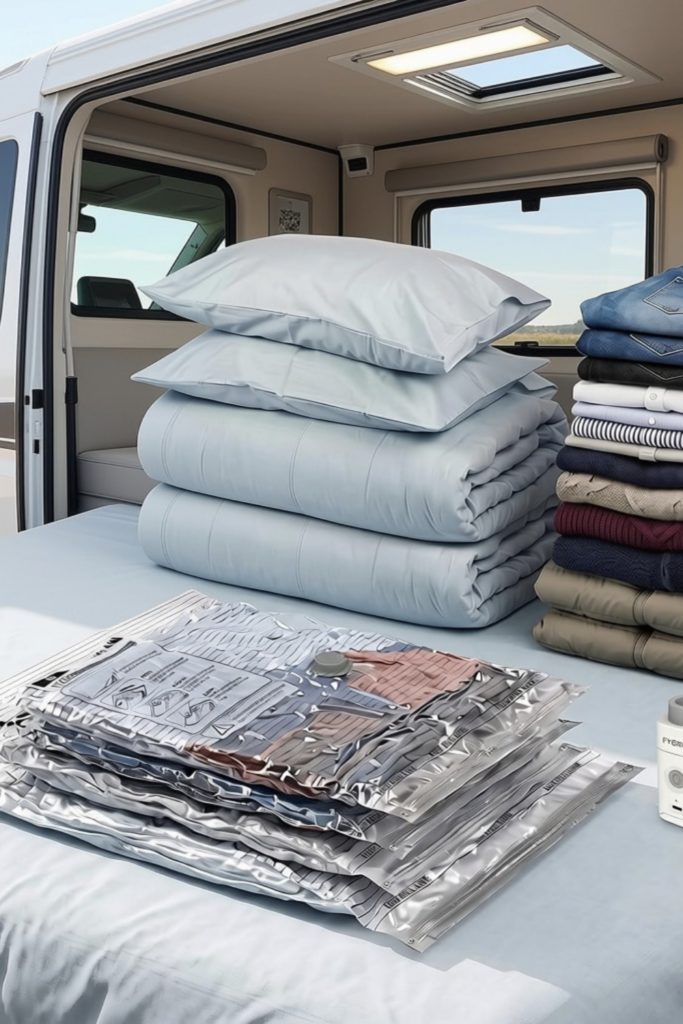
Our tip: Live in the space before buying a bunch of organizers. You’ll learn pretty quickly which areas need help and which ones don’t. One thing I highly recommend, though, is storage suction bags. They’ve been really useful for making the most of our limited RV space.
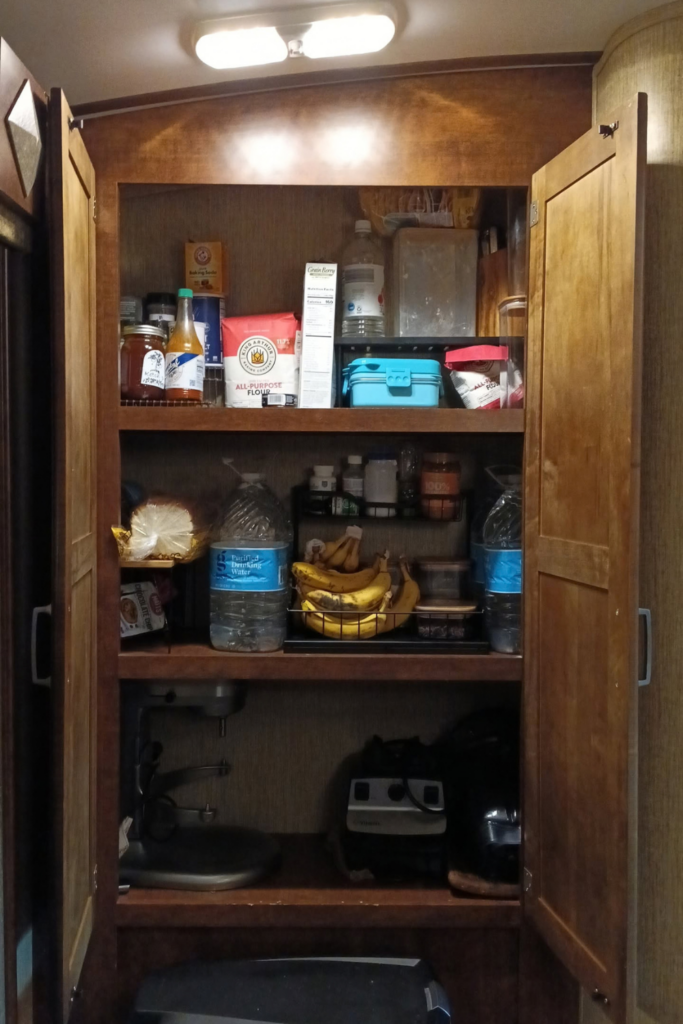
Plan for RV Kitchen and Meal Prep
Cooking in an RV kitchen can take some getting used to.
You’re working with less counter space, smaller storage areas, and appliances that may be different from what you’re used to at home. Add kids to the mix, so having a few simple meal routines can make things much easier.
Start by figuring out what you cook most often and organize your kitchen around those meals.
Keep your most-used items where you can easily reach them, and avoid filling your cabinets with kitchen gadgets you rarely use.
A few things that have helped us:
- Keep everyday cooking supplies within easy reach.
- Use containers that fit your cabinets.
- Plan simple meals for busy days.
- Clean as you go so counter space doesn’t disappear.
- Keep only the kitchen equipment you actually use.
You don’t need a complicated menu just because you’re camping. Some of our easiest meals have become the ones we make most often.
If you’re looking for more ideas, check out our RV kitchen essentials and RV camping food ideas posts..
Our tip: Have a few easy family meals you can make without much prep. You’ll appreciate having them on the days when everything else is already going on.
Hi, I’m Trisha.
The lens behind HikeCookShare LLC
We’re a family of five sharing RV life with toddler chaos, cozy moments, and easy family recipes.
I also create SEO-focused content, photography, and Pinterest marketing resources that help businesses connect with their ideal audience.

Learn Basic RV Cleaning and Maintenance
RV cleaning is a little different from cleaning a house. You have less space, fewer places to put things, and somehow a small amount of dirt can make the entire RV feel messy.
With three kids, we’ve learned that keeping up with the little things is much easier than letting everything pile up.
A simple routine can help keep your RV manageable. We regularly sweep or vacuum the floors, wipe down the kitchen, clean the bathroom, and take care of spills and messes as they happen.
It’s also important to pay attention to the maintenance side of RV ownership. Cleaning is only part of taking care of your RV. Get in the habit of checking for things like leaks, damaged seals, water issues, and anything that doesn’t look or sound right.
If you’re new to RV ownership, you don’t need to become an expert mechanic overnight. Start by learning what your RV needs on a regular basis and keep up with the maintenance recommended by your RV manufacturer.
These RV maintenance tips for beginners can help you get into the habit of paying attention to your RV before a small problem turns into a bigger one.
Our tip: Keep basic cleaning supplies together in one spot so they’re easy to grab. It makes those quick cleanups much easier.
And if you’re looking for ways to keep your RV clean with less hassle, check out our RV cleaning hacks.
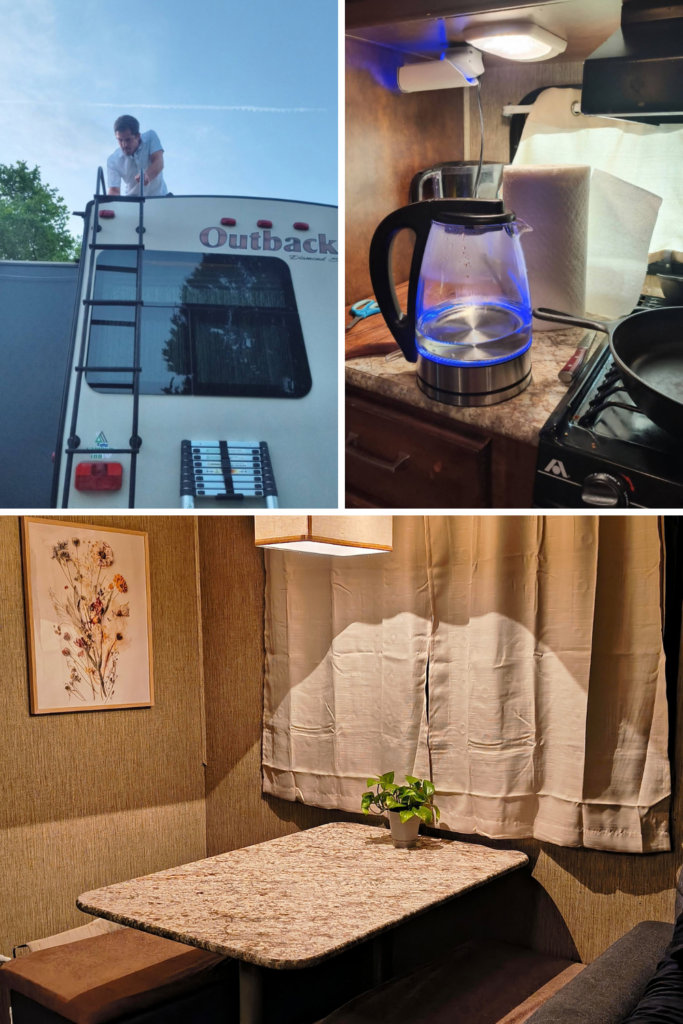
Prepare Your RV for Different Weather
One thing we learned pretty quickly is that the weather can have a big effect on RV life.
Before living in our RV full-time, I don’t think I fully understood just how much you need to think about temperature. Your RV has to keep you comfortable, but you also need to think about the systems inside it and how extreme temperatures can affect them.
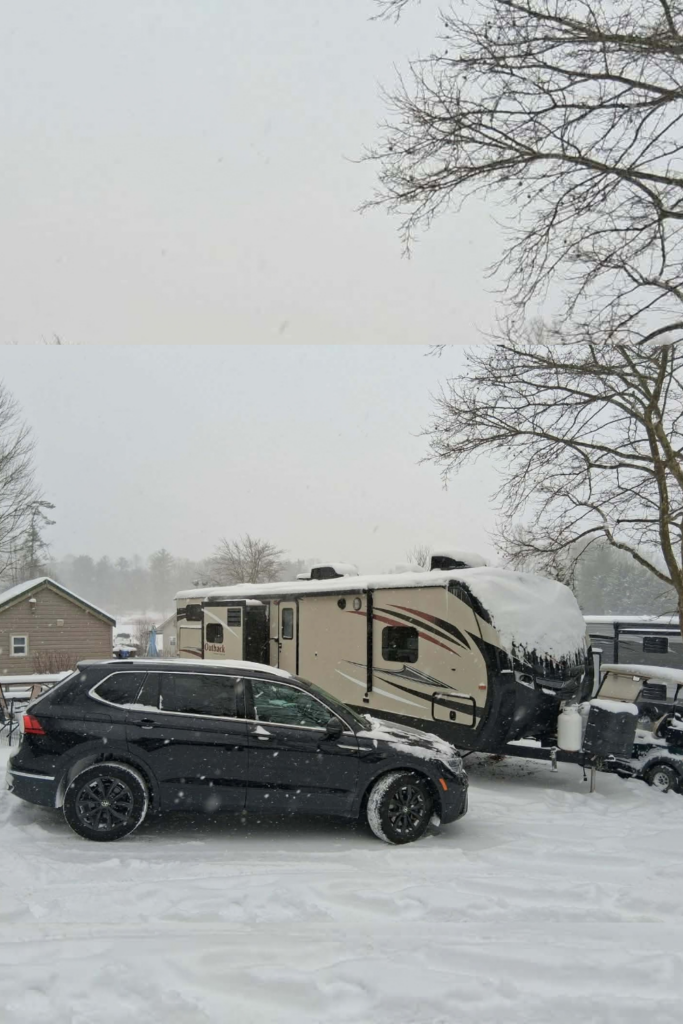
We’ve experienced some seriously cold temperatures in our RV, including a winter where it dropped to around 5°F. That definitely gave us a better understanding of why preparing for cold weather matters.
For colder temperatures, learn how your heating system works and follow the recommendations for your specific RV. You’ll also want to pay attention to your plumbing and water lines when freezing temperatures are expected.
Hot weather comes with its own challenges. Learn how your air conditioner works, pay attention to the temperature inside your RV, and make sure you’re prepared for days when it gets especially warm.
A few things worth keeping in mind:
- Check the weather before heading out or settling in for a longer stay.
- Know how your heating and cooling systems work.
- Follow your RV manufacturer’s recommendations for extreme temperatures.
- Pay attention to your plumbing during freezing weather.
- Keep an eye out for moisture and condensation.
- Have a plan for particularly hot or cold days.
Our tip: Don’t wait until the temperature drops or climbs dramatically to figure out how your RV handles it. It’s much easier to prepare ahead of time.
If you’re planning to stay in your RV through the colder months, check out our guide to our stationary RV setup for winter for the things we’ve learned from spending winter in our RV.
Create a Comfortable RV Setup for Your Family
An RV doesn’t have to be huge to work for your family. It just has to be set up in a way that makes sense for how you actually live.
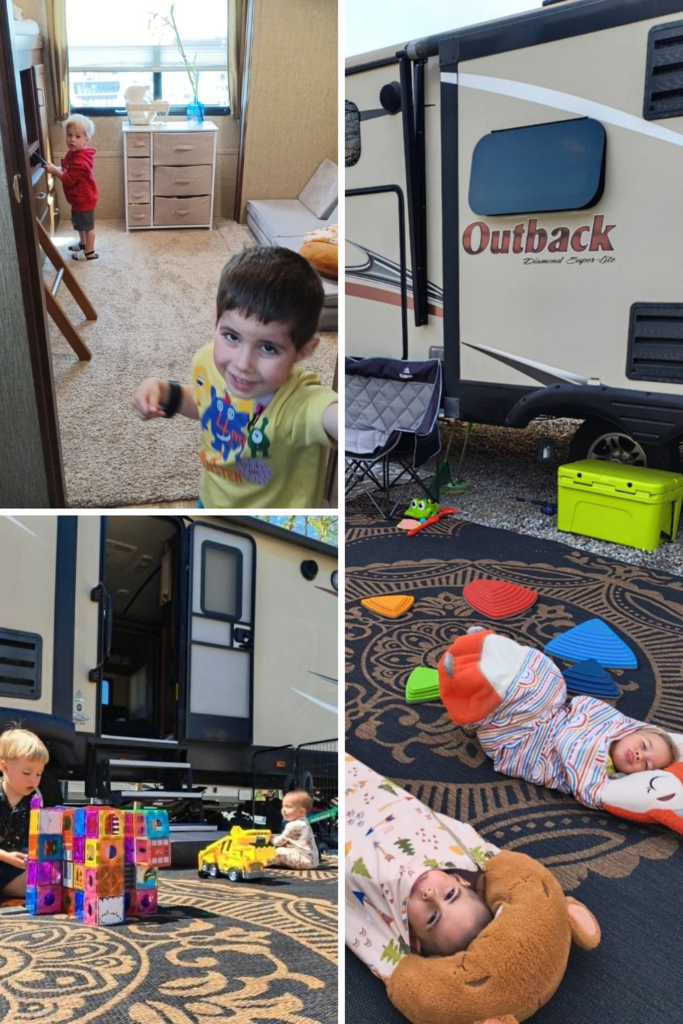
For us, that means making room for three kids, meals, homeschooling, work, chores, toys, and all the everyday things that come with having a family.
One of the biggest adjustments is realizing that the same setup isn’t going to work for everyone. You have to figure out how your family uses the space and then make changes from there.
For example, we have designated places for the kids’ belongings, homeschool supplies, and everyday items. Having a place for things makes a small space much easier to manage.
A few RV living tips for beginners:
- Give everyone a place for their personal belongings.
- Keep frequently used items easy to reach.
- Create simple routines for cleaning and putting things away.
- Make use of outdoor space when the weather allows.
- Don’t be afraid to rearrange things when something isn’t working.
- Think about how you’ll use your RV during a normal weekday, not just a camping weekend.
If you have kids, think about what they need to be comfortable too. Having a place to play, read, do schoolwork, or keep their favorite things can make a big difference.
If you’re looking for ideas for keeping kids entertained in a small space, check out our toys for full time RV families.
Our tip: Don’t try to create your perfect RV setup all at once. Live in the space first. You’ll quickly figure out what needs to change.
RV Favorites for Kids
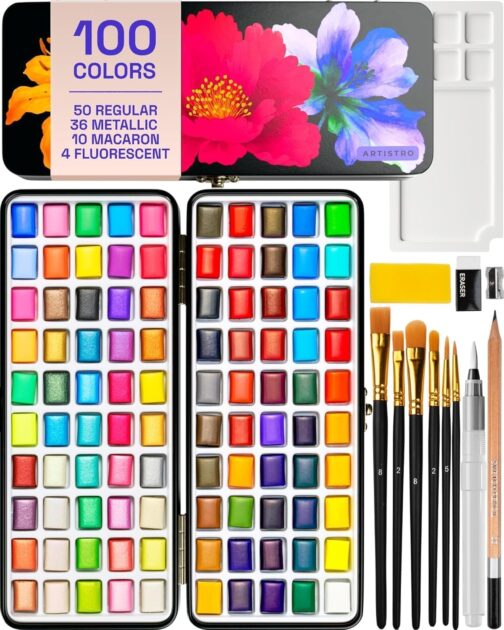
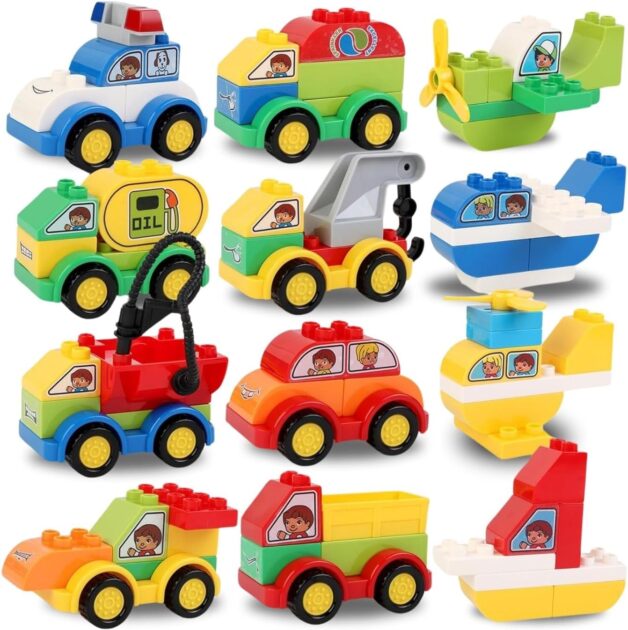
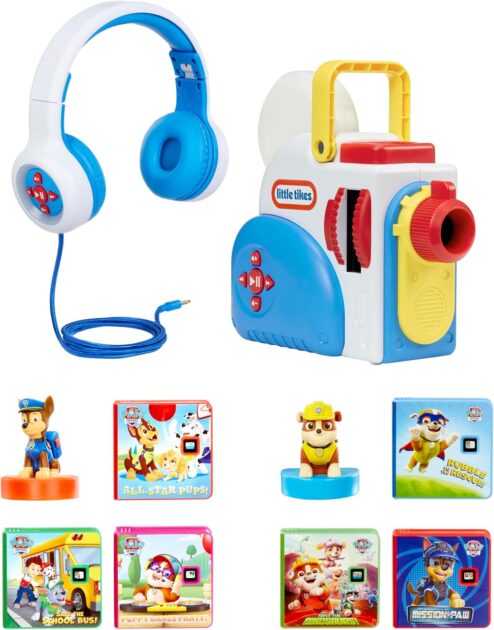
Looking for More RV Activities for Kids?
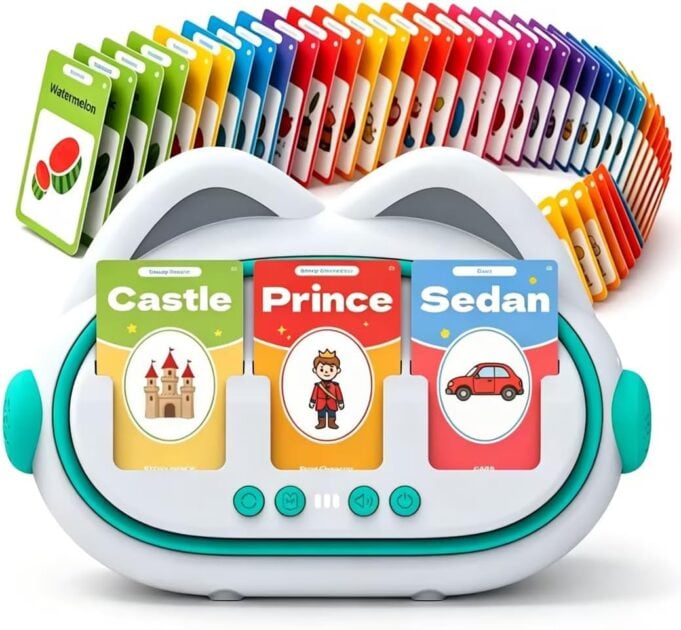
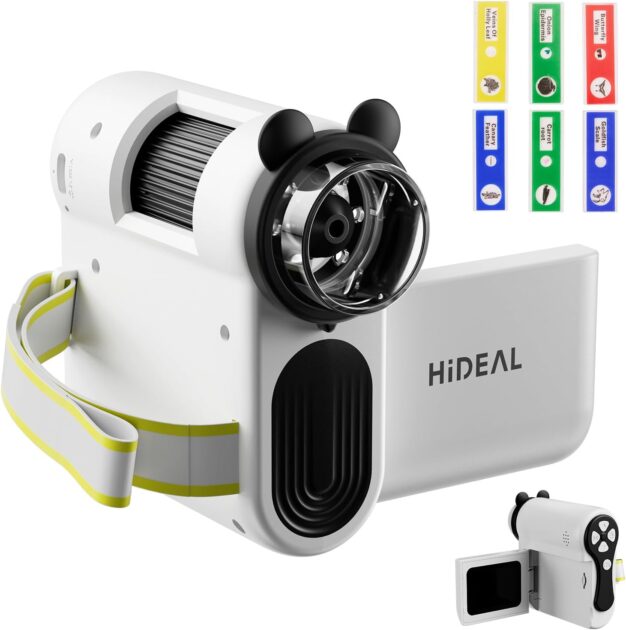
Once you have your RV setup working for your family, having a few easy activities on hand can make everyday RV life easier. We keep a mix of toys, books, and simple activities for the kids to use inside the RV or outside at our campsite.
If you need more ideas, check out our RV activities for kids for simple ways to keep kids busy and having fun in your RV space.
Mistakes We Made as RV Beginners
We’ve learned a lot from living in our RV, and honestly, some of the best lessons came from doing things the hard way.
Here are a few mistakes we made as RV beginners that we would approach differently now.
Buying Too Much Stuff
It’s incredibly easy to see an RV product and think, Oh, we need that.
Then you bring it home and realize you have nowhere to put it.
We’ve learned to slow down and figure out what we actually need before filling our RV with products and organizers.
Trying to Organize Everything Immediately
I wanted things to have a place, but sometimes you don’t know what the best place is until you’ve actually lived in the RV.
Your first storage setup probably won’t be your final one. And that’s completely fine.
Underestimating the Weather
Cold weather was a big learning experience for us. When you’re living in an RV full-time, weather isn’t something you can just ignore for a weekend.
We learned to pay much more attention to temperatures and prepare ahead of time.
Assuming RV Life Would Feel Like Home Right Away
An RV is still your home, but it’s not going to function exactly like a traditional house.
You have less space. You have different systems. You have to think about storage differently. And with kids, you have to be intentional about how everyone uses the space.
It takes time to adjust.
Not Giving Ourselves Time to Figure It Out
This might be the biggest one.
You can read every RV tips and tricks for beginners article you can find, watch videos, and make lists before you start. But eventually, you have to actually live in the RV and figure out what works for you.
Our tip: Don’t compare your setup to someone else’s. What works for another RV family may not make sense for yours.
RV Tips for Beginners Living Full-Time
There’s a big difference between taking your RV camping for a weekend and actually living in it full-time.
When you’re camping, you might be able to overlook a cramped kitchen, limited storage, or an inconvenient setup for a few days. When your RV is your home, those little things become part of your everyday routine.
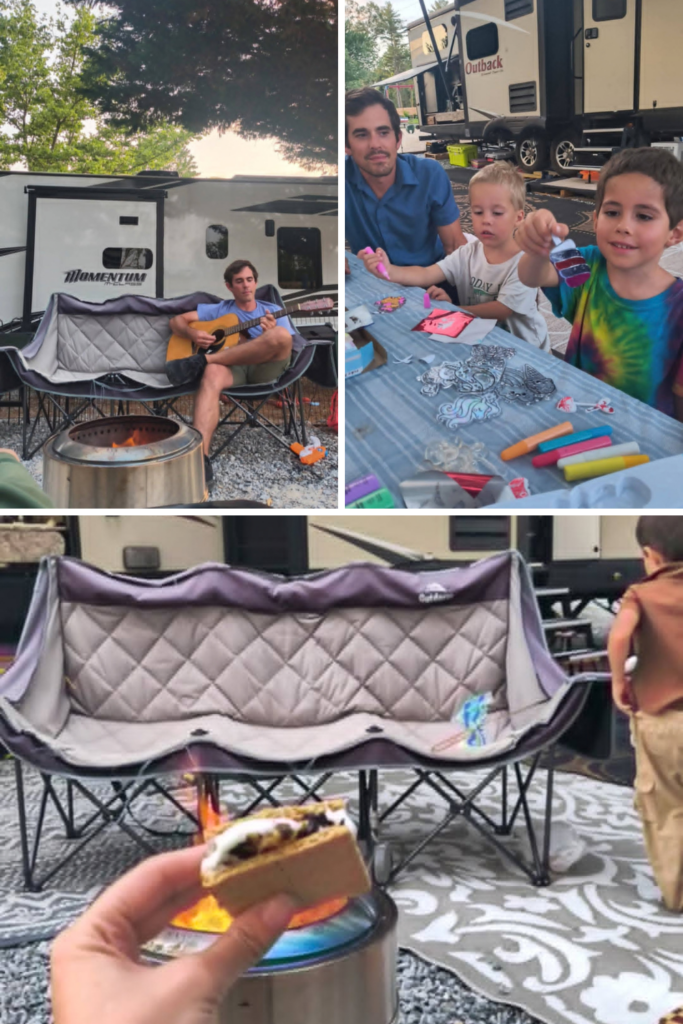
For us, full-time RV living means figuring out how to make our stationary setup work for our family.
Create Everyday Routines
Simple routines make a big difference when you’re living in a smaller space.
Everyone can help with keeping things picked up, and having regular places for everyday items means we’re not constantly looking for things.
Our kids also have age-appropriate chores, which helps everyone take some responsibility for the space we share.
Make Your Space Work for Your Family
You don’t need to copy someone else’s RV organization system or buy every product they recommend.
Pay attention to what your family actually uses and build your setup around that.
Something that works perfectly in one RV may not work at all in another.
Think Beyond Camping
When you’re living in an RV full-time, you’re not just thinking about where you’re going to sleep.
You’re thinking about cooking breakfast, doing laundry, homeschooling, working, cleaning, relaxing, storing everyone’s belongings, and getting through a normal Tuesday.
That’s why some of the best full time RV living tips for beginners are the simple ones.
Think about your everyday life and how your RV can support it.
Give Yourself Time to Adjust
You won’t have your RV completely figured out on day one.
Your routines will change. Your storage will change. You’ll find things you don’t use and things you wish you had. That’s all part of learning how to live in the space.
And honestly, that’s one of the biggest things we’d tell anyone starting out: give yourself time to figure it out.
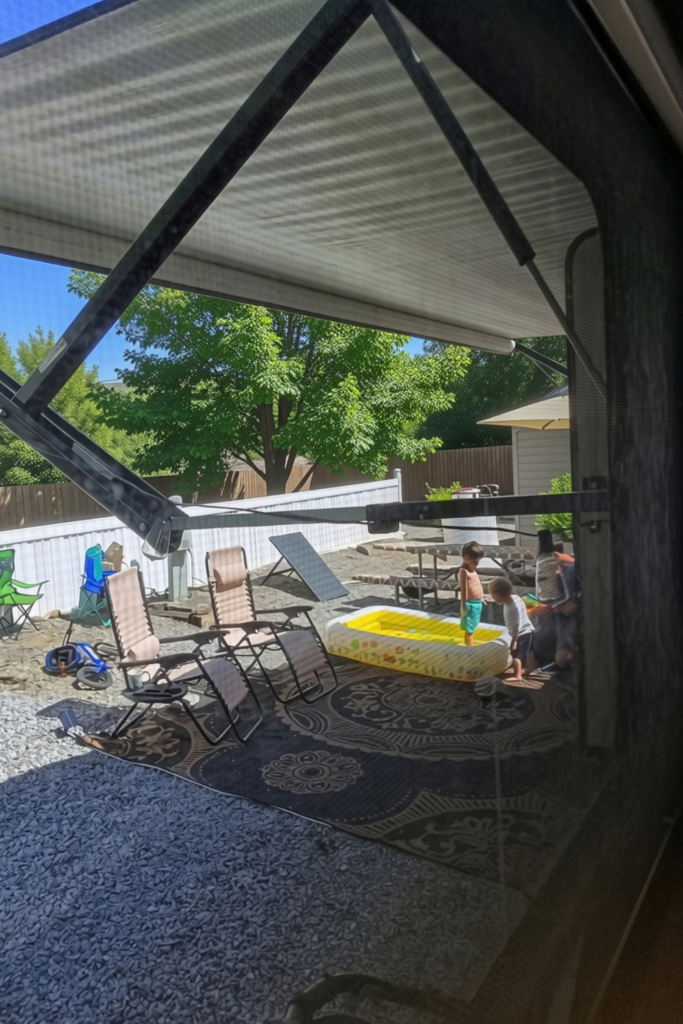
Want the Honest Side of RV Life With Kids?
RV life with kids has plenty of good moments, but it also comes with some challenges. If you’re considering full-time RV living with your family, take a look at our pros and cons of RV life with kids to get a better idea of what it’s really like.
Final Thoughts
You don’t need to know everything before you start RVing.
Learn the basics, practice your setup, don’t rush out and buy everything you see, and pay attention to what actually works for you.
We’ve made plenty of mistakes along the way, but each one has taught us something about making our RV work for our family.
These RV tips for beginners are the things we wish someone had told us when we first started. You won’t need to figure everything out at once—start with the basics and build from there.
And if you’re still building your list of RV essentials, check out our RV Amazon must haves next.
What are the most important RV accessories for beginners?
Some useful beginner RV essentials include a drinking-water hose, water pressure regulator, sewer hose, electrical adapters, leveling equipment, wheel chocks, a surge protector, and basic tools. Your exact list will depend on your RV and camping setup.
What mistakes do first-time RVers make?
Common beginner mistakes include buying too much gear too soon, skipping a pre-trip checklist, forgetting to check clearances, rushing the setup process, and not learning how their RV’s systems work before camping.
Is RV camping difficult for beginners?
There is a learning curve, but you don’t need to know everything before your first trip. Start with shorter trips, practice setting up, and learn your RV’s systems one at a time.